TOEIC numbers, dates and schedules
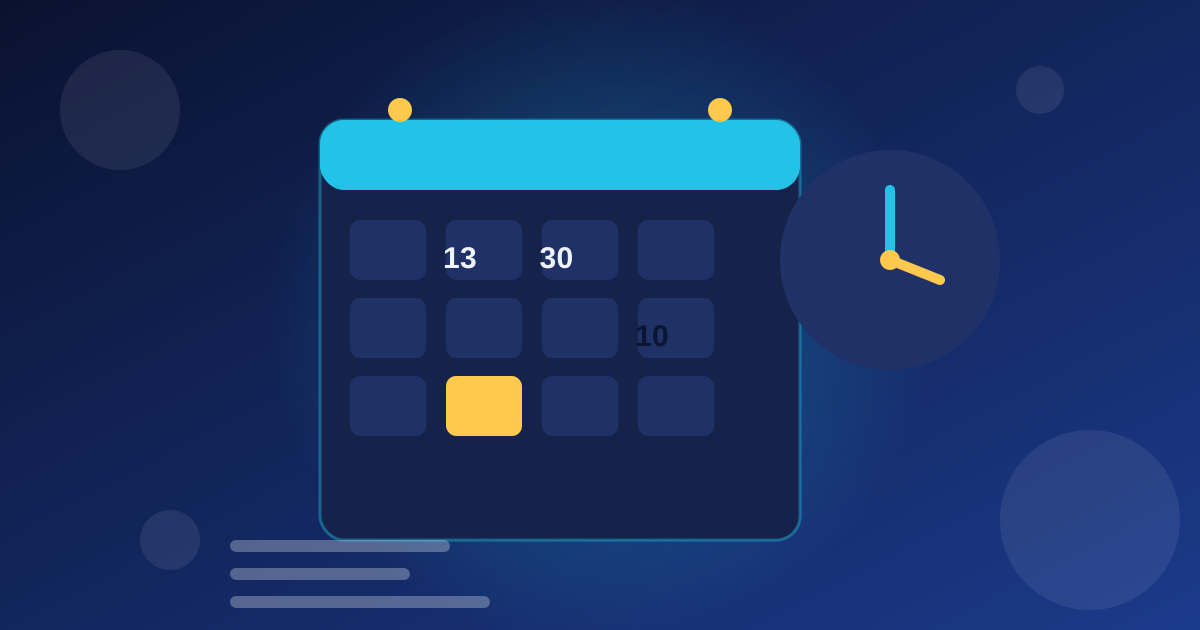
TOEIC conversations and emails are full of flight times, meeting dates, prices, quantities and deadlines, and these details are easy to mishear or misread under time pressure even when every other word is clear. The fix isn't more grammar study - it's targeted practice with how numbers, dates and schedules are actually said and written in business English, plus a habit of double-checking exactly which number the question is asking about.
Why numbers and dates cost points
A date like "the 1st" sounds similar to "the 1:00" when spoken quickly, and "13" versus "30" is a classic listening trap because the stress pattern is the only real difference. Under test pressure, these small mix-ups change the answer.
In Part 3/4 conversations, a schedule often changes mid-conversation - a meeting moves from Tuesday to Thursday, or a flight is delayed by two hours - and the question usually asks about the final, corrected time or date, not the one mentioned first.
Spoken number traps to listen for
| Sounds like | Watch out for |
|---|---|
| 13 vs 30 | stress on the first vs second syllable |
| 1:00 vs the 1st | time versus date, same short sound |
| a hundred vs a hundred and ten | the "and" is easy to miss |
| half past two vs half past twelve | "twelve" can blur into "two" if you're not listening for the ending |
How dates and prices are written in Part 7
US-style dates (month/day/year) and UK-style dates (day/month/year) can both appear, so "4/6" might mean April 6 or June 4 depending on the document's origin - read any surrounding text (like a month name) rather than assuming a format.
Prices and quantities in emails or invoices often appear in a sentence, not a table - "an additional 15% will be charged after the 10th" packs a percentage and a date into one clause, so slow down on sentences with more than one number.
How to practise this specific skill
Read numbers and dates out loud in full sentences, not as isolated digits, so your ear gets used to how they sound inside normal speech rather than as separate flashcards.
When you review a Part 3/4 transcript, underline every number, date and time mentioned, then check which one the question actually asked about - this builds the habit of tracking changes instead of grabbing the first number you hear.
In Part 7, when a passage has a schedule, deadline or price change, re-read it once specifically to confirm the final value, since many questions are written to catch readers who stop at the first number.
Where this pays off most
Confirmation emails, itineraries, invoices and meeting-reschedule conversations are the question types most often built around numbers and dates, so these are worth extra review time compared with general vocabulary.
Getting comfortable with this vocabulary also speeds up your overall pace, since you stop re-reading number-heavy sentences out of uncertainty.
Frequently asked questions
Is this just a grammar issue?
No - the grammar of numbers and dates is simple; the difficulty is hearing and reading them quickly and accurately under time pressure.
Which TOEIC parts test this most?
Part 3 and 4 conversations about schedules, and Part 7 emails, invoices and itineraries, test this vocabulary most directly.
Should I memorize date formats?
You don't need to memorize every format, but notice whether a passage is using month/day or day/month style before trusting a date you read quickly.