TOEIC prepositions and conjunctions: patterns to recognize
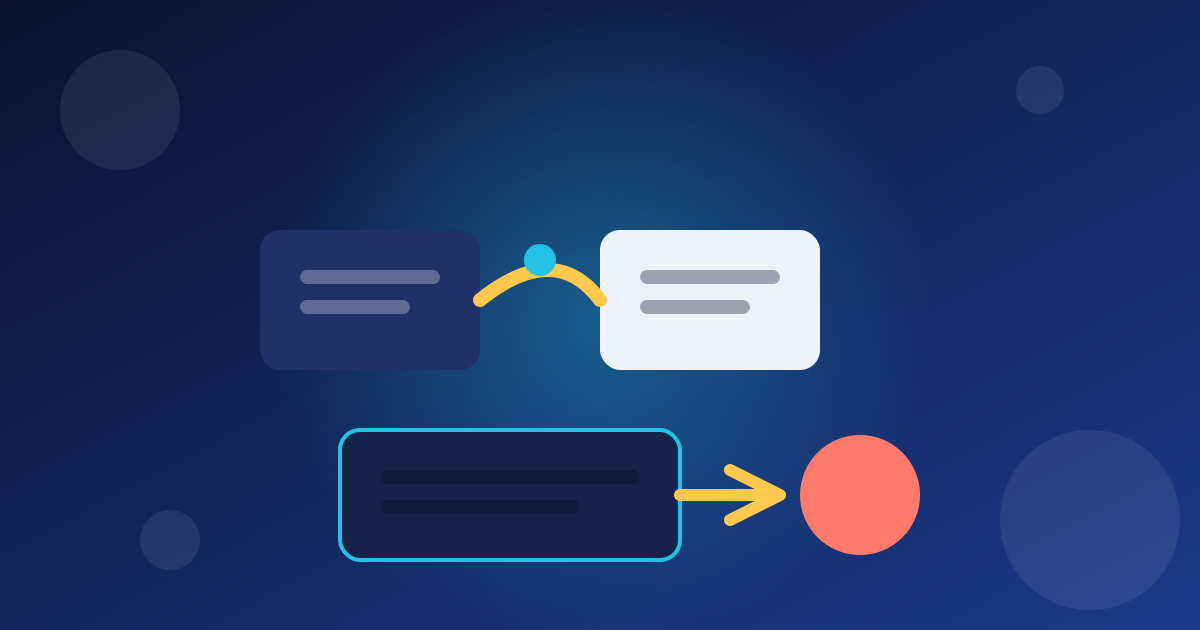
TOEIC preposition and conjunction questions test fixed patterns, not general meaning. Prepositions usually depend on the verb, noun or adjective right before the blank (e.g. 'responsible for', 'according to'), so learn them as pairs rather than translating word by word. Conjunctions connect two clauses and depend on the logical relationship between them (time, contrast, reason, condition) — read both clauses fully before choosing.
Why these questions feel tricky
Prepositions and conjunctions rarely have one 'correct' meaning you can look up. The right choice depends on the specific word next to the blank or the relationship between two clauses, which is why memorizing single definitions doesn't help much on test day.
Preposition patterns to learn as pairs
- Verb + preposition: respond to, consist of, result in, comply with, apply for.
- Adjective + preposition: responsible for, familiar with, eligible for, consistent with.
- Noun + preposition: access to, increase in, demand for, reason for.
- Time prepositions: 'by' a deadline, 'within' a period, 'since' a starting point, 'during' an event.
Conjunction patterns by relationship
- Contrast: although, even though, whereas, while.
- Reason: because, since, as.
- Condition: if, unless, provided that, in case.
- Time: when, before, after, once, as soon as.
- Addition/result: so, therefore, in addition, furthermore (these link independent clauses or sentences, unlike the conjunctions above).
How to tell a preposition question from a conjunction question
Look at what follows the blank: a noun or noun phrase usually needs a preposition ('despite the delay'), while a full clause with its own subject and verb needs a conjunction ('although the project was delayed'). Checking this first narrows the four options before you even consider meaning.
How to practice
Keep a short list of verb/adjective/noun + preposition pairs as you meet them, rather than studying prepositions in isolation. For conjunctions, practice by covering the blank and asking what logical relationship the two clauses have, then matching that relationship to a word.
Frequently asked questions
Are preposition questions grammar or vocabulary on the TOEIC?
They're usually classified as grammar, but they're really fixed collocations — the preposition is tied to a specific verb, noun or adjective rather than to general meaning.
How many preposition or conjunction questions appear on the TOEIC?
There's no fixed count, but they appear regularly across Part 5 and Part 6, often several per test.
What's the fastest way to tell if a blank needs a preposition or a conjunction?
Check what follows the blank: a noun phrase usually takes a preposition, while a clause with its own subject and verb needs a conjunction.